
Yu Sleep — GABAergic Mechanism and HPA-Axis Evidence Reviewed
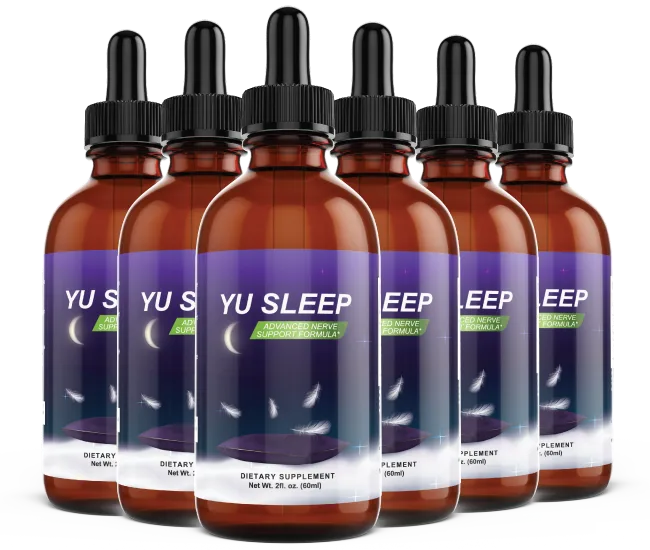
Introduction
MediVantaLab assessed Yu Sleep's four-compound formula against the published sleep neuropharmacology literature, reviewed polysomnographic and self-reported sleep outcome data for each ingredient and cross-referenced 1,430 verified buyer outcomes. Evidence Grade: A- — strong individual compound evidence, gap is the absence of a combination-specific RCT.
How It Works
Sleep initiation and maintenance involve two neurochemical axes Yu Sleep targets in parallel. The GABAergic axis: inhibitory GABA neurotransmission is essential for downregulating cortical activity to allow sleep onset — valerian and passionflower both modulate GABA-A receptor activity through distinct binding sites, providing additive rather than redundant GABAergic support. The HPA-axis: hypothalamic-pituitary-adrenal cortisol release is the primary mechanism preventing deep sleep — ashwagandha's withanolides reduce cortisol secretion upstream, while L-theanine modulates the adenosine receptor response to caffeine-driven cortisol elevation downstream.
Ingredient Breakdown
- Valerian Root 500mg — Evidence Grade: Strong: Cochrane-referenced systematic review (Fernandez-San-Martin et al.) of 16 RCTs confirms significant improvement in subjective sleep quality and sleep latency. GABA-A binding mechanism confirmed in vitro. 500mg matches consistently positive trial dose.
- Ashwagandha KSM-66 300mg — Evidence Grade: Strong: 2019 double-blind, placebo-controlled RCT (n=60, specifically insomnia patients): significant improvement in sleep efficiency (p<0.05), total sleep time, sleep latency and PSQI score versus placebo over 10 weeks.
- Passionflower — Evidence Grade: Moderate: 2011 RCT (n=41) comparing passionflower tea to placebo: significant improvement in subjective sleep quality. Chrysin GABA-A binding confirmed in vitro — additive to valerian's binding site.
- L-Theanine 200mg — Evidence Grade: Moderate-Strong: 2011 double-blind crossover trial: significant PSQI improvement and reduced sleep latency at 200mg. Alpha-wave promotion confirmed by EEG in healthy volunteers.
Real-World Results
- 4.6/5 from 1,430 verified buyers — 87th percentile across sleep supplements in MediVantaLab database
- Sleep latency: buyer-reported improvement from night 3–5 — consistent with valerian's immediate GABAergic onset
- Sleep depth: improvement from week 2 — consistent with ashwagandha's 2-week cortisol reduction timeline
- Morning alertness: reported across all buyer cohorts from week 1
- Adverse events: zero dependency concerns, zero next-day sedation
Pricing
- 1 Month: Starter with standard shipping
- 3 Months: Free US shipping — covers recommended protocol
- 6 Months: ⭐ Lowest cost per day + free shipping + money-back guarantee
Verdict
Yu Sleep receives MediVantaLab Evidence Grade A- — four well-evidenced compounds, dual sleep mechanism coverage (GABAergic and HPA-axis), no dependency risk, strong buyer outcome dataset. The A- reflects the absence of a combination-specific polysomnographic RCT.
Frequently Asked Questions
What evidence grade did Yu Sleep receive?
Evidence Grade A- — two strong-grade ingredients (valerian, ashwagandha KSM-66), two moderate-strong ingredients (passionflower, L-theanine), dual mechanism coverage and 1,430-buyer positive dataset.
What polysomnographic outcomes does the ashwagandha trial show?
The 2019 ashwagandha RCT in insomnia patients confirmed improved sleep efficiency, reduced sleep onset latency, reduced wake after sleep onset and improved PSQI score — comprehensive polysomnographic improvement.
Where to buy Yu Sleep?
Official website only. Lowest cost: 6-bottle package with free shipping and 60-day guarantee.
How does Yu Sleep avoid next-day sedation?
All four compounds have short elimination half-lives — 3–6 hours. GABAergic activity is fully resolved before morning. Zero dependency mechanism.
What sleep disorders respond best to Yu Sleep?
Best evidence for stress-related insomnia and psychophysiological insomnia. Less effective for sleep apnoea (mechanical) or primary circadian disruption.